The Ultimate Guide to Perry Rhodan Arkon System Art for New and Lifelong Fans
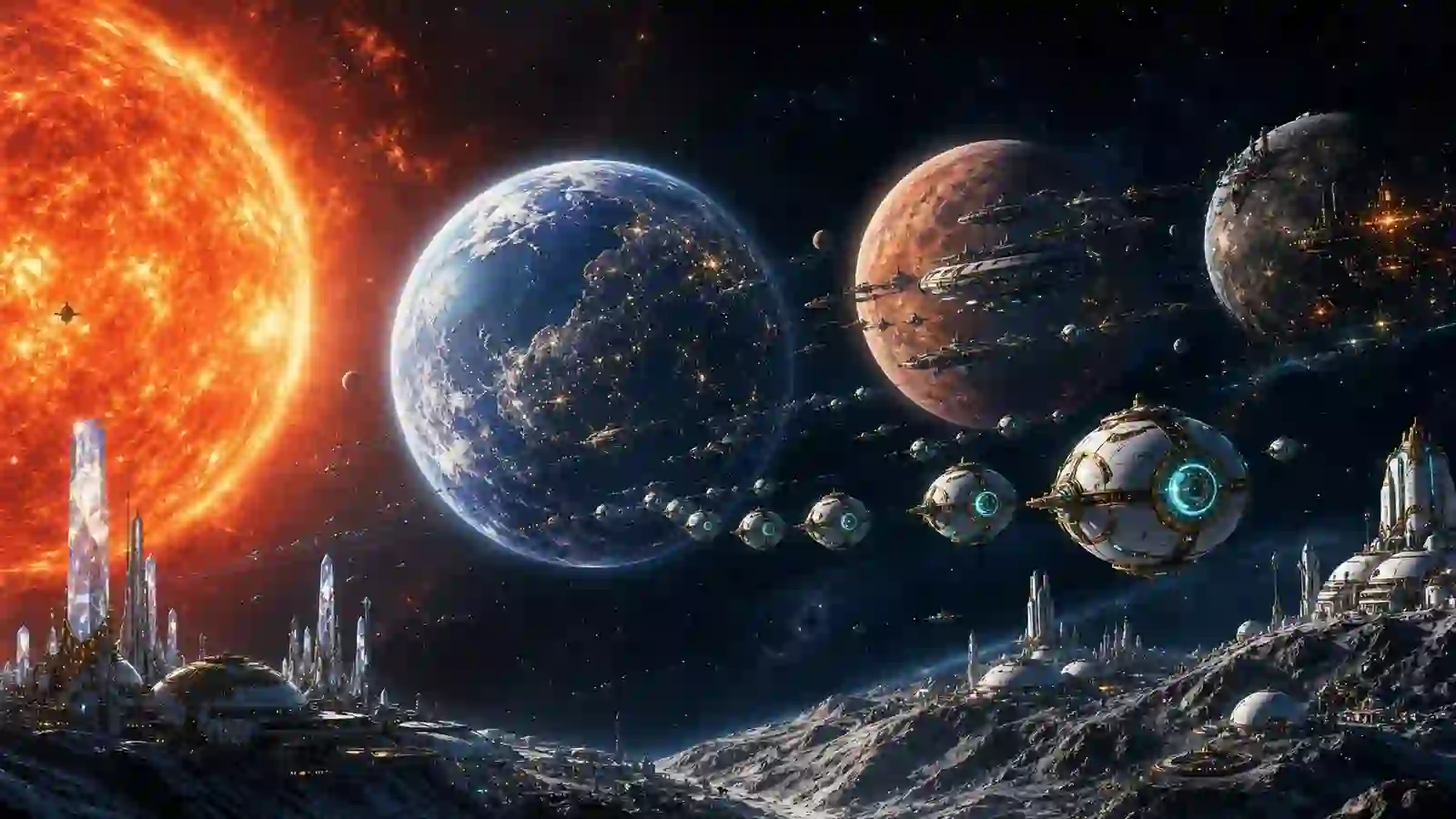
Struggling to find clear visuals of Arkon’s famous star system? Many fans feel lost among scattered covers and outdated scans. This complete guide to perry rhodan arkon system art brings every key planet, artist, and style together in one trusted place, so you can explore with joy and confidence today.
Quick Answer: What Is This Famous Arkon Artwork?
perry rhodan arkon system art refers to all official paintings, maps, covers, and digital renders that show the Arkon star system from the Perry Rhodan universe. It pictures the red giant Thantur-Lok, the three planets Arkon I, II and III, plus fleets, crystal cities, and orbital stations. Fans use these images to grasp the story world fast.
In This Guide You Will Discover:
- A simple definition and why Arkon visuals matter
- The three main planets and their look in classic covers
- How Johnny Bruck and later masters shaped the style
- Style changes from 1961 to today
- How artists paint maps with true canon detail
- Where to find authentic prints and books
- How Arkon compares to Star Wars and Star Trek art
- Tips to start your own joyful collection
What Is Perry Rhodan Arkon System Art?
Perry Rhodan Arkon System Art is the collected visual record of one star system that drives a huge part of the Perry Rhodan story. It includes paperback covers, interior maps, poster prints, portfolio plates, and new digital scenes. Each piece shows places that readers love, from shining palace domes to vast battle fleets near the red giant.
Think of it as a visual atlas. Writers describe Arkon as the old home of a proud star empire. Artists turn those words into color, light, and shape. You see the warm glow of Thantur-Lok. You spot the blue oceans of Arkon I. You admire the industrial rings around Arkon III. This art helps new readers enter the saga without reading 3,000 novels first.
You will find three main types:
- Cover paintings that sell the sense of wonder on issue 40, 100, 200 and special editions
- System maps and technical charts that place planets, moons, and stations in order
- Scene illustrations that show daily life, space docks, crystal palaces, and historic battles
Because the saga runs since 1961, the collection is vast. Early paintings look bold and pulp-like. New renders look clean and cinematic. All of them share one goal: make Arkon feel real, grand, and worth saving.
Why Does This Artwork Matter for Science Fiction Fans?
Great science fiction needs great visuals. Arkon gives Perry Rhodan fans a home base they can picture in seconds. When you see the triple-planet view with a huge red sun behind it, you know at once where you are in the story. That instant recall builds loyalty and fun.
The artwork also preserves history. German space opera grew up with painted covers at a time when photos could not show alien worlds. These paintings taught whole generations how to dream about space travel. Many German illustrators today say they started drawing because they copied Arkon ships as kids. The style still inspires games, model kits, and fan films.
For new readers, pictures lower the entry barrier. The Perry Rhodan plot spans galaxies and millennia. A single clear map of Arkon I, II, and III answers key questions: Which planet holds the capital? Where did Atlan live? Where did great fleet battles take place? You learn faster and enjoy more.
Finally, collectors value beauty and rarity. Early Johnny Bruck originals now sell for high prices. Signed prints from anniversary portfolios bring pride to any shelf. Owning a piece connects you to 60 years of shared adventure.
Which Worlds of the Arkon System Appear Most in Classic Covers?
The Arkon system centers on the red giant Thantur-Lok. Three planets matter most, and each has a distinct visual identity that artists repeat with care.
Arkon I, the crystal world, shines as the jewel. Painters show it as a blue-white globe with glittering city lights and elegant orbital mirrors. Close-up scenes reveal tall crystal towers, white domes, and gardens under transparent roofs. It looks rich, calm, and wise.
Arkon II often appears as a rugged, red-brown world with shipyards and forts. Artists paint huge docks in orbit and long freight trains rising from the surface. It feels strong and practical. Many battle scenes take place near its moon bases.
Arkon III, the industrial planet, looks darker and busier. Illustrators fill its skies with freighters, cranes, and glowing factories. Ground views show robot streets and deep energy plants. It tells the story of an empire that builds on a giant scale.
Other favorite sights include:
- The Naldor Station and battle platforms floating between Arkon II and III
- The crystal palace district on Arkon I at sunset
- Arkonide warships with ball-shaped hulls and ring drives
- Parade fleets lined up before Thantur-Lok for anniversary issues
When you browse covers, watch for the red sun. Its warm orange light is the signature cue that says you are in Arkon space.
How Did Johnny Bruck Define the First Look of Arkon?
Johnny Bruck painted the soul of early Perry Rhodan. From 1961 until his death in 1995, he created over 1,800 covers. His Arkon scenes set the rules that later artists still follow. He gave Arkonide ships smooth ball hulls, bright signal lights, and proud imperial crests. He painted Thantur-Lok as a vast, warm presence that fills the sky.
Bruck worked fast with gouache and airbrush. He loved strong contrasts: deep space black against glowing engine trails, cool blue planets against orange sun flares. His people look heroic but human. His palaces look clean and noble. You can spot a Bruck Arkon cover by its crisp edges, dramatic light, and sense of motion.
He also created key reference sheets for other painters. He fixed the colors of uniforms, the shape of robot types, and the layout of the three planets. That consistency helped readers trust the world. Even today, Perrypedia uses his layouts as a base for canon maps.
If you want to study his craft, start with these famous issues:
- Issue 40: First grand view of Arkon city domes
- Issue 100: Parade fleet before Thantur-Lok
- Issue 200: Battle near Arkon II with ring ships
- Atlan series 100: Crystal palace close-up at night
Original Bruck paintings now live in private collections and archives. High-quality reprints appear in anniversary volumes from the official publisher.
How Has Perry Rhodan Arkon System Art Evolved Since 1961?
perry rhodan arkon system art has passed through four clear eras, and each era reflects the tools and tastes of its time. The story world stayed true, but the painting methods changed in exciting ways.
The table below gives you a fast overview before we explore details.
Arkon Visual Eras at a Glance
| Era | Years | Leading Artists | Look and Tools | Famous Arkon Motifs |
|---|---|---|---|---|
| Classic Pulp | 1961 to 1975 | Johnny Bruck, Karl Stephan | Gouache, bold colors, hand lettering | First crystal cities, ball ships, red giant panoramas |
| Detailed Realism | 1976 to 1995 | Johnny Bruck, Horst Hoffmann, Alfred Kelsner | Airbrush, fine detail, technical ships | Shipyards on Arkon III, Naldor platforms, Atlan portraits |
| Digital Transition | 1996 to 2011 | Alfred Kelsner, Dirk Schulz, Arndt Drechsler | Photoshop, 3D base, photo texture | Clean orbital views, star maps, NEO reboot tests |
| Cinematic Modern | 2012 to 2026 | Arndt Drechsler, Dirk Schulz, Neil Stock | Full digital, 3D render, film light | Thantur-Lok close-ups, wide fleet scenes, collector portfolios |
Classic Pulp art feels bold and direct. Ships fly close to the viewer. Colors pop from newsstand racks. Detailed Realism adds depth and scale. You see panel lines, dock workers, and weather on hulls. Digital Transition brings sharper stars and smoother gradients. Cinematic Modern feels like a film still with lens flare and depth blur.
What stayed the same? Respect for canon. Artists check planet data before they paint. Arkon I stays bright. Arkon III stays industrial. Thantur-Lok stays huge and red-orange. That care keeps old and new fans happy.
What Art Styles Shape the Modern View of Thantur-Lok?
Modern painters love Thantur-Lok because a red giant gives rich light. They use warm rim light on ships and cool shadows on planets to create depth. Many scenes place the viewer low near a moon ridge so the giant sun fills half the sky. The effect feels vast and humbling.
Three styles lead today:
- Cinematic realism: Painters like Arndt Drechsler build 3D models, then overpaint with light and weather. Ships cast true shadows. Engines glow with heat. You feel you could step into the dock.
- Graphic tribute: Artists like Dirk Schulz honor Bruck with flat shapes and strong outlines, then add modern gradients. These covers pop in thumbnails and work well on e-books.
- Technical chart style: Map makers use clean vectors, soft glows, and clear labels. These maps show orbits, jump points, and fleet paths without clutter.
Color rules help you read any modern piece fast. Gold and white mark imperial Arkonide sites. Teal and gray mark Terran ships. Red alerts mark danger zones near old battlefields. Once you know this code, even a complex battle map feels simple.
Light also tells time. Morning scenes on Arkon I use pale gold. Noon battle scenes near Arkon II use hard white. Evening palace scenes use deep orange and violet. Artists plan light first, then add ships and people.
Who Are the Top Artists Behind the Arkon Visual Legacy?
Five names stand out for quality, volume, and love from fans.
- Johnny Bruck: The founder of the look. Over 1,800 Perry Rhodan covers. Master of drama and clarity. His Arkon city views remain the gold standard.
- Alfred Kelsner: Heir to Bruck. Known for ultra-clean ships and precise stations. His Arkon III shipyard scenes show hundreds of tiny lights that reward close viewing.
- Horst Hoffmann: Painter and author. He links story facts to visuals with care. His cross-sections of Arkonide cruisers help model makers build true replicas.
- Arndt Drechsler: Modern lead cover artist. He blends 3D and painting for film-like depth. His Thantur-Lok panoramas for anniversary editions won praise from old and new readers.
- Dirk Schulz: Comic and cover artist with bold lines. He brings fresh energy to Atlan and Arkonide heroes while honoring classic uniforms and crests.
Each artist learned from the one before. Drechsler studied Bruck originals in the publisher archive. Schulz asked Hoffmann about canon colors. This chain of teaching keeps the visual world steady across decades.
You can follow their work in art books, Perrypedia galleries, and signing events at German conventions like ColoniaCon. Many sell signed giclee prints in small runs. Buy only from trusted sellers so colors stay true.
What Details Make Perry Rhodan Arkon System Art Instantly Recognizable?
perry rhodan arkon system art uses a clear visual language that fans learn fast. Five details act like a signature. Spot two of them and you know you look at Arkon.
First, the red giant dominates the sky. Thantur-Lok is not a small dot. It is a huge, textured disc with slow flares. Painters add a warm haze around it that tints nearby hulls orange.
Second, Arkonide ships use ball-and-ring shapes. Unlike sharp Terran darts, Arkon cruisers look round, calm, and proud. Rings glow teal when drives run hot. Imperial crests shine gold on white hulls.
Third, crystal architecture defines cities. Towers look like cut gems. Domes shine with inner light. Bridges arc without visible supports. Artists add tiny figures on terraces to show true scale.
Fourth, orbital order impresses. Maps and wide views show Arkon I, II and III in a neat line with stations between them. Trade lanes glow faint blue. Fleet groups hold formation with care.
Fifth, light tells rank. High nobles wear bright white and gold. Common crew wear muted blue-gray. Robots show status with chest lights. This color code helps readers follow complex scenes at a glance.
Keep this checklist on your phone when you browse flea markets. It helps you pick true Arkon pieces from generic space art in seconds.
- Huge red-orange sun in background
- Round hulls with glowing rings
- Gem-like towers and domes
- Three planets or clear orbit lines
- Gold-white imperial marks
Where Can Collectors Find Original Prints and Cover Paintings?
True fans ask where to buy with trust. Start with primary sources that publish canon facts and sell licensed art. They offer true colors, correct credits, and fair prices.
Visit the official Perry Rhodan website for news on anniversary portfolios, art books, and signed editions. You will find shop links, artist interviews, and release dates in one safe place. Explore official news here: Perry Rhodan Official Site
Use Perrypedia for research before you spend. Its Arkon system gallery lists which issue shows which planet and who painted it. Check facts, compare covers, and note the issue numbers you love. Start your research here: Perrypedia Arkon System Archive
For English readers, the US portal explains the saga start and shows approved English covers. It helps new collectors avoid bootlegs. Browse the starter guide here: Perry Rhodan US Portal
Beyond these hubs, try these trusted paths:
- Publisher art books from Pabel-Moewig with high-resolution plates
- German comic fairs where artists sell signed prints in person
- Reputable auction houses that list provenance for Bruck originals
- Collector forums where long-time fans trade doubles with photos and receipts
Avoid random low-resolution scans. They wash out reds and hide detail. Ask for photos in daylight, check the back for issue stamps, and confirm size in centimeters. A little care brings you art you will love for years.
How Do Artists Create Accurate Maps of the Arkon System?
Accurate maps blend canon facts with clear design. Artists start with text sources that list distances, planet types, and station names. They cross-check spelling and orbit order so old fans nod with approval. Then they sketch a simple top-down layout before they add beauty.
The process usually follows six steps:
- Gather canon data on Thantur-Lok mass, planet order, moons, and stations
- Sketch orbit rings to scale with true spacing ratios
- Place key sites like Naldor, shipyards, and palace cities
- Choose a projection that keeps all three planets readable
- Add light, texture, and labels with high contrast
- Review with editors and fan experts for errors
Good maps answer reader questions fast. Where is Arkon I relative to the sun? Which moon holds the fort? Which lane leads to Terra? Smart designers use color and icons so answers pop. Blue lines mark safe trade lanes. Gold stars mark imperial sites. Gray dots mark moons.
Digital tools help but do not replace study. Most pros build a rough 3D scene to test light from the red giant, then flatten it into a clean 2D map. They keep fonts large enough for print and mobile. They test prints under warm lamps because red suns can shift on paper.
If you make fan maps, cite your sources and mark guesses as fan ideas. That honesty earns respect and keeps canon clear for all.
How Does Perry Rhodan Arkon System Art Compare to Other Sci-Fi Universes?
perry rhodan arkon system art stands apart from Star Wars, Star Trek, and Dune art in tone and focus. Star Wars art loves heroic action and desert planets. Star Trek art loves bright bridge crews and sleek Starfleet ships. Dune art loves vast sand and mystic rites. Arkon art loves imperial order, deep history, and grand scale built over 11,000 years of story time.
Scale is the first difference. A single Arkon fleet scene can show hundreds of ships in perfect formation before a giant sun. The mood is proud and ceremonial, not rushed. Even battle scenes feel planned, with clear lanes and codes.
Second, color tells culture. Arkonide gold-white signals an old, rich empire. Terran ships in the same frame look younger with practical gray-blue. This contrast shows history in one glance. Few other universes pack so much story into palette alone.
Third, continuity rewards long fans. The same palace dome painted in 1964 appears again in 2024 with the same shape but richer light. That visual thread links generations. New readers feel they join a living tradition.
That said, Arkon artists learn from peers. They borrow cinematic depth from Star Wars concept art. They borrow clean UI cues from Star Trek star charts. They borrow texture grit from Dune film stills. The result feels fresh yet true to its roots.
If you love world-building, compare a Thantur-Lok panorama side by side with a Tatooine sunset and a Vulcan desert. You will see at once how light, architecture, and fleet design give each universe its own heart.
How Can New Fans Start Their Own Arkon-Inspired Collection?
Start small, learn fast, and enjoy each step. You do not need rare originals to feel joy. A smart shelf of ten great pieces beats a random pile of fifty.
Follow this simple starter plan:
- Pick a focus: Choose one planet, one artist, or one era. Arkon I crystal cities make a bright theme. Bruck-era covers make a historic theme.
- Buy one art book first: A licensed volume gives true color and full credits. It also lists issue numbers for your next hunt.
- Track a want list: Write down ten issues with Arkon covers you love. Note artist, year, and fair price.
- Join a community: Fan groups share sale alerts and help spot fakes. Ask for front and back photos before you pay.
- Display with care: Use UV glass and keep art from direct sun. Red giant oranges fade fast under harsh light.
Budget tips help too. Reprints cost less than first editions and still look stunning on walls. Digital e-book bundles let you study covers up close before you buy print. Convention sketch corners offer affordable homages from rising stars.
Most of all, read as you collect. Pick the novel behind each cover. When you know why a fleet gathers near Arkon II, the painting glows with new meaning. Your shelf turns into a story you can walk through with friends and family.
Frequently Asked Questions About Arkon System Visuals
What is perry rhodan arkon system art in simple words?
perry rhodan arkon system art is the official set of paintings and maps that show the Arkon star system. It shows the red sun, three main planets, stations, and fleets in clear, heroic style.
Which planet is the capital world in Arkon images?
Arkon I is the capital and crystal world. Artists paint it bright blue-white with gem towers, white domes, and orbital mirrors. Look for gold marks that signal imperial sites.
Who painted the most famous perry rhodan arkon system art covers?
Johnny Bruck painted the most famous covers with over 1,800 works. His bold light, round Arkonide ships, and grand red sun views set the style that later masters still honor today.
Where can I see canon maps of Thantur-Lok and its planets?
See Perrypedia and official art books for canon maps. They list orbit order, station names, and issue sources. They help you tell true layouts from fan guesses.
Is perry rhodan arkon system art good for new collectors?
Yes, perry rhodan arkon system art suits new collectors well. Start with licensed art books and small signed prints. They cost less, hold color well, and teach canon fast.
How do I spot fake Arkon prints when I shop online?
Check seller trust, sharp detail, and true credits. Ask for daylight photos, back stamps, and exact size. Compare colors to official previews and avoid blurry low-resolution offers.
Start Your Journey Through Arkon Today and Share the Wonder
You now hold a clear map of a stunning visual universe. You know the planets, the artists, the styles, and the trusted places to explore more. Take the next joyful step today. Pick one Arkon cover you love, read its story, and share a photo of your shelf with a friend who loves space dreams.
Want more weekly finds? Bookmark the official news page, follow Perrypedia updates, and join a friendly collector group. Post your first Arkon piece, ask one smart question, and invite others to compare their favorite Thantur-Lok sunset. Your passion keeps this 60-year legacy bright for the next generation of explorers.