Is It Worth Reading The Wolf of Cheonun Peak?
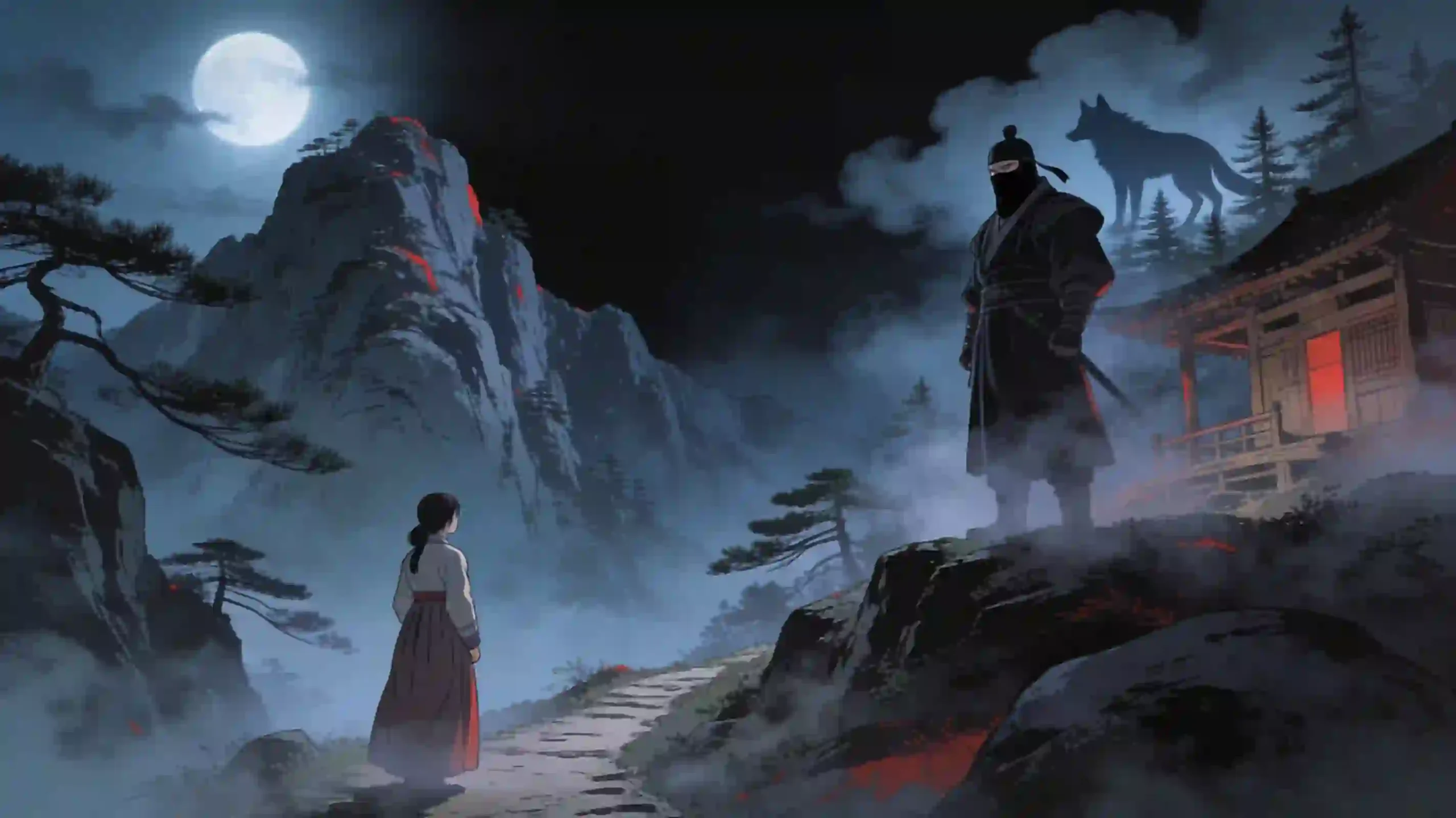
A rumored monster, a frightened village, and a woman sent away to save everyone else: the setup creates immediate pressure. The Wolf of Cheonun Peak turns that pressure into a historical romance shaped by fear, power, and the gap between public rumor and private behavior. This guide explains what new readers can expect, who the series suits, and how to approach its mature material without spoiling the experience.
Quick answer: what should readers know first?
The Wolf of Cheonun Peak is a Korean historical romance webcomic for mature readers. The main plot is around Chohee, a peasant woman who is shown to the dreaded figure associated with Cheonun Peak. The story uses a dangerous mountain setting, a notorious outlaw leader, and a relationship built under unequal and high-stakes conditions.
Readers who enjoy full-color manhwa, tense romance, and stories that question a frightening reputation may find much to like here. Readers who want a light, all-ages adventure should choose something else. The official publisher’s current listing is the right place to confirm age gates, episode availability, language options, and local access before reading.
What is the plot of The Wolf of Cheonun Peak?
At its core, The Wolf of Cheonun Peak asks a simple but emotionally loaded question: what happens when a person meets the figure everyone has taught them to fear? Chohee is sent toward Cheonun Peak as a sacrifice meant to protect her village. Instead of a simple monster tale, the premise introduces the leader of a group of outlaws, a man whose reputation has made him seem less than human.
Chohee has very little control as a result of the initial conflict. Her community makes a decision that changes her life, and the mountain becomes a place where she must assess danger for herself. The story’s early pull comes from watching a character test rumor against reality while carrying the cost of her village’s choice.
The series belongs to the historical romance manhwa space. Expect color panels, vertical-scroll pacing, dramatic expressions, and a relationship that drives the story forward. Its period-inspired setting provides the atmosphere; it should not be treated as a documentary account of Korean history.
The Wolf of Cheonun Peak at a glance
| Reader question | Clear answer | Why it matters |
|---|---|---|
| What format is it? | A full-color Korean webcomic, often called manhwa or webtoon. | Episodes are designed for digital, vertical reading rather than traditional print pages. |
| What is the original title? | 이리, commonly rendered as Iri. | Searching the Korean title can help readers match publisher records and alternate listings. |
| What is the main genre? | Historical romance with drama and mature material. | Romance and relationship tension take priority over action-focused adventure. |
| Who is the main viewpoint character? | Chohee, the woman sent to Cheonun Peak. | Her fear, choices, and changing understanding shape the opening premise. |
| What is Cheonun Peak? | The remote mountain setting tied to the story’s feared “wolf” figure. | It works as both a physical refuge and a symbol of isolation. |
| Is the story for every age group? | No. Publisher materials mark it for mature audiences. | Check the rating and content notice before starting. |
| Where should it be read? | Through the licensed publisher’s official service where available. | Official access supports rights holders and gives the most reliable rating and episode information. |
| Is it a history lesson? | No. It is a fictional historical romance. | Readers should enjoy the setting without treating its plot as verified history. |
| Is there an adaptation announcement? | Do not assume one exists without a publisher announcement. | Fan pages can repeat unconfirmed claims quickly. |
| What is the best entry point? | Start with the official description and opening episode. | They establish the premise, the tone, and the mature-rating notice. |
Why does the sacrifice premise create such strong tension?
The sacrifice plot is more than an attention-grabbing opening. It exposes the harsh exchange at the heart of the story: a village seeks safety, and Chohee bears the price. That gives The Wolf of Cheonun Peak emotional weight before the romance begins. A reader sees how social fear can turn one person into a solution for everyone else.
This setup also makes trust harder to earn. Chohee does not walk into the mountain with full freedom or a clean slate. Her caution is reasonable. The narrative’s tension depends on whether the feared leader’s actions match the stories told about him and whether Chohee can claim meaningful choice in a situation forced upon her.
That distinction makes the series more compelling than a simple “dangerous man meets innocent woman” label. A useful reading lens is to watch who holds power in each scene, who makes decisions, and when consent or refusal is clearly shown. These questions help readers engage with the romance thoughtfully instead of treating fear as a shortcut to passion.
Who are the key entities in the story?
The series gains clarity when readers separate the main entities from the rumors that surround them. The following overview stays with premise-level information and avoids later-event spoilers.
Chohee
Chohee is the emotional anchor of the premise. Her village sends her to the mountain, so her story begins with loss of safety and loss of control. Her role is not merely to react to a frightening setting; she gives the story its human stakes. Readers can follow how she reads people, protects herself, and revises what she believes.
The leader associated with Cheonun Peak
The mountain’s feared leader is presented through reputation before personal knowledge. He is connected with a band of outlaws and carries the “wolf” image that gives the series its title. The contrast between his public legend and his direct conduct is a key source of suspense.
The village
The village is an important collective character. Its fear starts the plot, but it also raises uncomfortable questions about duty and blame. Its decision shows how communities can protect themselves by putting their burden on someone with less power.
The outlaws
The outlaw group expands the mountain beyond a one-person mystery. They signal that Cheonun Peak has rules, loyalties, risks, and a social order of its own. Their presence keeps the setting active and prevents the romance from unfolding in an empty backdrop.
Cheonun Peak
Cheonun Peak is both location and idea. The mountain marks a border between familiar village life and an uncertain world. Its isolation intensifies every encounter, because leaving, seeking help, or trusting rumor all carry a higher cost.
What themes make the story more than a mountain romance?
The most useful way to read the series is through its recurring tensions. These themes explain why the basic premise can feel urgent even when a scene contains little action.
- Rumor versus direct knowledge: The story starts with a person turned into a legend. Readers are invited to notice the distance between what people say and what the character does.
- Survival and belonging: Chohee’s placement on the mountain forces her to work out what safety means when her original community has failed her.
- Power and agency: The romance unfolds in a situation shaped by unequal power. Careful readers should look for moments where Chohee’s wishes guide the outcome.
- Isolation: The mountain setting limits easy escape and amplifies emotional dependence, uncertainty, and danger.
- Reputation: The “wolf” label turns fear into a public identity. The story examines the human consequences of labels that no one person controls.
- Protection and its limits: Protection can be comforting, but it can also become controlling. That tension gives scenes involving trust their edge.
These are literary reading tools, not claims about later plot events. They help a reader articulate why a scene feels tense or moving without flattening the series into a single trope.
Is The Wolf of Cheonun Peak romance, drama, or historical fiction?
The clearest answer is all three, with historical romance at the center. This title uses a period-inspired Korean setting and a dramatic premise to stage a romance. It is not a military campaign story, a courtroom mystery, or a pure survival tale, even though danger and social pressure matter.
Genre labels can help set expectations, but they should not replace the opening episodes. “Historical” describes the setting and mood. “Romance” describes the main emotional engine. “Drama” signals that hard choices, secrets, fear, and relationship consequences take up meaningful space.
For readers who prefer a specific experience, this distinction is useful:
- Choose it for a tense, adult relationship story set away from courtly luxury.
- Choose it for a full-color digital comic with strong atmosphere.
- Do not choose it expecting a child-friendly folktale about wolves.
- Do not choose it expecting strict historical scholarship.
- Pause before reading if coercion, social sacrifice, or unequal power dynamics are subjects you would rather avoid.
What should readers expect from the art and webcomic format?
The webcomic format changes how mood lands. Long vertical panels can slow a reveal, isolate a facial expression, or stretch a quiet walk through the mountain. Full color can separate a cold village scene from the charged darkness of a remote hideout. Those choices support the central contrast between public dread and private encounter.
Readers may notice that pacing comes from pauses as much as dialogue. A glance, a doorway, or an empty stretch of landscape can carry emotional information. Reading too quickly may blur those cues. Taking a moment between episodes can make the shifting trust at the center of the story easier to follow.
The format also makes accessibility practical. Use the licensed platform’s reading tools, screen settings, content notices, and account controls. If a service requires an age check, treat that boundary seriously rather than looking for unlicensed copies that may omit notices, mistranslate dialogue, or harm the people who made the work.
How mature is the content, and who should avoid it?
The Wolf of Cheonun Peak is for mature audiences. That designation is useful information, not a marketing flourish. The premise includes a woman sent away against her will, a feared outlaw setting, sexual material, and relationship dynamics that deserve adult context.
A reader can make a better decision with a simple content checklist:
| Consideration | What to ask yourself before starting |
|---|---|
| Age rating | Am I old enough for the publisher’s rating in my region? |
| Sexual content | Am I comfortable reading an adult romance that may include explicit material? |
| Coercive premise | Do stories involving sacrifice, pressure, or limited choice feel upsetting to me? |
| Power imbalance | Am I prepared to read critically when one character has more physical or social power? |
| Emotional intensity | Do I want a dramatic, uneasy opening rather than a gentle comfort read? |
| Reading source | Can I access the work through the licensed publisher in my country? |
This guidance is not a substitute for the official content notice. Ratings, edited editions, and availability can differ by platform or territory. A responsible page does not hide the mature label just to attract a wider audience.
Why does the “wolf” image matter in the title?
The wolf image gives the story a clear emotional symbol. Wolves can suggest danger, solitude, territorial protection, hunger, and a life outside ordinary social rules. In this series, the label is attached to a feared human figure, which makes it a question rather than a fact: is the name an accurate description, a weapon used by frightened people, or both?
Here, that symbol works because the reader begins with Chohee’s uncertainty. The image tells us how the village wants her to feel before she can form her own judgment. As a result, the title prepares readers for a story about perception as well as romance.
The mountain strengthens the symbol. A peak is distant, difficult to reach, and easy to mythologize from below. The setting gives rumor room to grow. It also gives the story a physical boundary that mirrors the social boundary between the village and those cast outside it.
How should new readers approach the relationship dynamics?
Start by treating the premise seriously. A romance can be thrilling and still invite close attention to agency. In this series, the early situation is not balanced: Chohee arrives because other people decide her fate, while the mountain leader has status and knowledge that she lacks.
A mature reading approach looks for the following:
- Choice: Does Chohee receive room to speak, refuse, ask questions, or set limits?
- Information: Who knows the rules of the mountain, and how is that knowledge shared?
- Accountability: Are harmful actions minimized, challenged, or given consequences?
- Change: Does trust develop through consistent conduct rather than a label alone?
- Perspective: Does the story leave space for Chohee’s fear, anger, curiosity, and desire?
This framework does not dictate a verdict for every reader. It gives readers language for their response. One person may enjoy the high-stakes fantasy while another may find the opening too uncomfortable. Both reactions deserve room, especially in mature romance.
Where can readers find The Wolf of Cheonun Peak legally?
Read The Wolf of Cheonun Peak through the licensed publisher’s official service where it is offered. Lezhin Comics has identified the work in its official English-facing materials, and the original Korean title appears in its Korean catalog. Availability can change by country, age verification, language, app, or web storefront.
Before you buy or begin, verify four details on the official page:
- the title and alternate title;
- your local age rating and content notice;
- the episode list and current release or completion information;
- the language or edition you are opening.
Avoid using search snippets as proof of a current chapter count. They can be stale, mix original and translated editions, or repeat unverified uploads. This page intentionally does not state a fixed episode count because publisher catalog information can change and because the official listing is the authority for the live status.
Official reading does more than provide better image quality. It preserves creator credit, supports the licensed release, and reduces the chance of reading a damaged or incomplete translation. It also helps readers see publisher notices that matter for a mature work.
Is the series finished, ongoing, or adapted?
Status claims demand care. Third-party databases and reposted chapters often disagree because they track different editions, lag behind the publisher, or mix a main story with extras. That makes a permanent chapter number or completion claim fragile.
For this series, use the publisher’s current series page as the decision point. If it lists a final episode or side stories, that is the record to follow for that edition. If it shows ongoing releases, trust the schedule shown there rather than a copied summary elsewhere. Do the same for adaptation news: accept it only when the publisher, rights holder, or an announced production partner confirms it directly.
This practice protects readers from disappointment and protects the article from spreading rumor. It is also a simple trust signal: state what is known, name what changes, and show readers where live information belongs without pretending that an old article can replace it.
What alternate titles and search terms help readers find it?
Titles travel across languages, platforms, and fan communities. The original Korean title is 이리. English readers may see the official English title alongside shorter or translated variations on catalog pages. Not every variation identifies a distinct series; many are simply local naming choices.
Use these terms carefully in site taxonomy, internal search, and descriptive copy:
- official English series title
- 이리
- Iri
- Korean historical romance manhwa
- mature romance webcomic
- full-color manhwa
- mountain outlaw romance
- Chohee
- Cheonun Peak
Do not create thin duplicate pages for every alternate name. A single authoritative hub with a brief alternate-title note gives users a better path and reduces duplicate-topic clutter. If you publish supporting articles, make each one answer a distinct reader question, such as content guidance, character analysis after a spoiler warning, or a licensed-reading update.
Who will enjoy The Wolf of Cheonun Peak most?
The series is likely to suit adult readers who want tension before tenderness. The appeal lies in the atmospheric mountain setting, the mystery around a feared man, and the slow work of judging someone beyond a public label. It is especially relevant for readers who enjoy romance where emotional safety and power are part of the conversation, not background decoration.
It may be a good fit if you enjoy:
- Korean webcomics with full-color vertical art;
- historical or period-inspired romance;
- remote settings that create a closed, pressurized atmosphere;
- a heroine facing a world that initially feels hostile;
- stories about reputation, trust, and changing first impressions;
- adult drama that does not pretend its setup is carefree.
It may not fit if you want fast action in every episode, a comedy-first romance, a school setting, or an all-ages title. A clear “not for everyone” section is useful because it saves readers time and attracts the right audience rather than chasing empty clicks.
How does this page help readers without spoiling the story?
A strong pillar page should answer the important first questions and leave the discovery intact. This guide gives the premise, form, genre, content context, major entities, official-reading guidance, and a way to assess changing information. It does not map late twists, repeat explicit scenes, or invent character motivations beyond the publisher-supported setup.
That balance matters because mystery is part of the reading experience. Explaining every turn would weaken the very contrast the title sets up: rumor arrives first, knowledge arrives later. New readers deserve enough context to choose the work without having their first encounter pre-explained.
For publishers and fan sites, this approach also supports useful content standards. Put source-backed facts near the top. Mark interpretation as interpretation. Update changing details with an actual date. Keep promotional language subordinate to reader needs. A page earns return visits by being dependable, not by making dramatic claims it cannot prove.
A practical reading checklist before you start
Use this short checklist to decide whether the series belongs on your reading list today.
- Confirm that you meet the official age requirement.
- Read the publisher’s content notice rather than relying on a social post.
- Accept the opening premise for what it is: a pressured, adult dramatic setup.
- Start at the official first episode so the pacing and translation context remain intact.
- Give the story several scenes to establish the gap between reputation and reality.
- Stop if the power dynamics or mature themes no longer feel enjoyable.
- Check the official listing again before sharing release or adaptation news.
The final point is important. A thoughtful recommendation does not need to promise that every reader will love the same story. It should explain what the work offers and let people make an informed choice.
Frequently asked questions
What is The Wolf of Cheonun Peak?
The Wolf of Cheonun Peak is a mature Korean historical romance webcomic about Chohee, who is sent to the feared Cheonun Peak and encounters a notorious outlaw leader. Its story centers on danger, reputation, trust, and a developing relationship.
Is it appropriate for teenagers?
No. The publisher categorizes it for mature readers, and its themes include sexual content, a sacrifice premise, and unequal power dynamics. Follow the rating shown on the official service in your region.
Is it based on real Korean history?
No verified publisher material presented here identifies it as a factual historical account. Treat it as fiction that uses a historical or period-inspired Korean setting.
Where should I read it?
Use the licensed publisher’s official platform where the series is available. It provides the most reliable information about ratings, language, episode access, and current release status.
Is the series finished?
Check the publisher’s live title page for the edition available to you. Catalog status and chapter totals can differ across territories, languages, and side-story listings.
Does it have an anime or drama adaptation?
Do not assume an adaptation exists without a direct announcement from the publisher, rights holder, or confirmed production partner. Verify adaptation news through those first-party sources.
Ready to decide? Start with the official rating and first episode
The Wolf of Cheonun Peak offers a darkly atmospheric entry point for adult readers who want romance with real tension, a memorable setting, and a premise built around fear giving way to firsthand knowledge. Check the official age notice, start with the licensed opening episode, and let the story reveal its own answers at its intended pace. If this guide helped you choose, save it as the reference page for future publisher-verified updates.