Choro Mesu Days Explained: Story, Manga, OVA, Characters and Viewing Guide
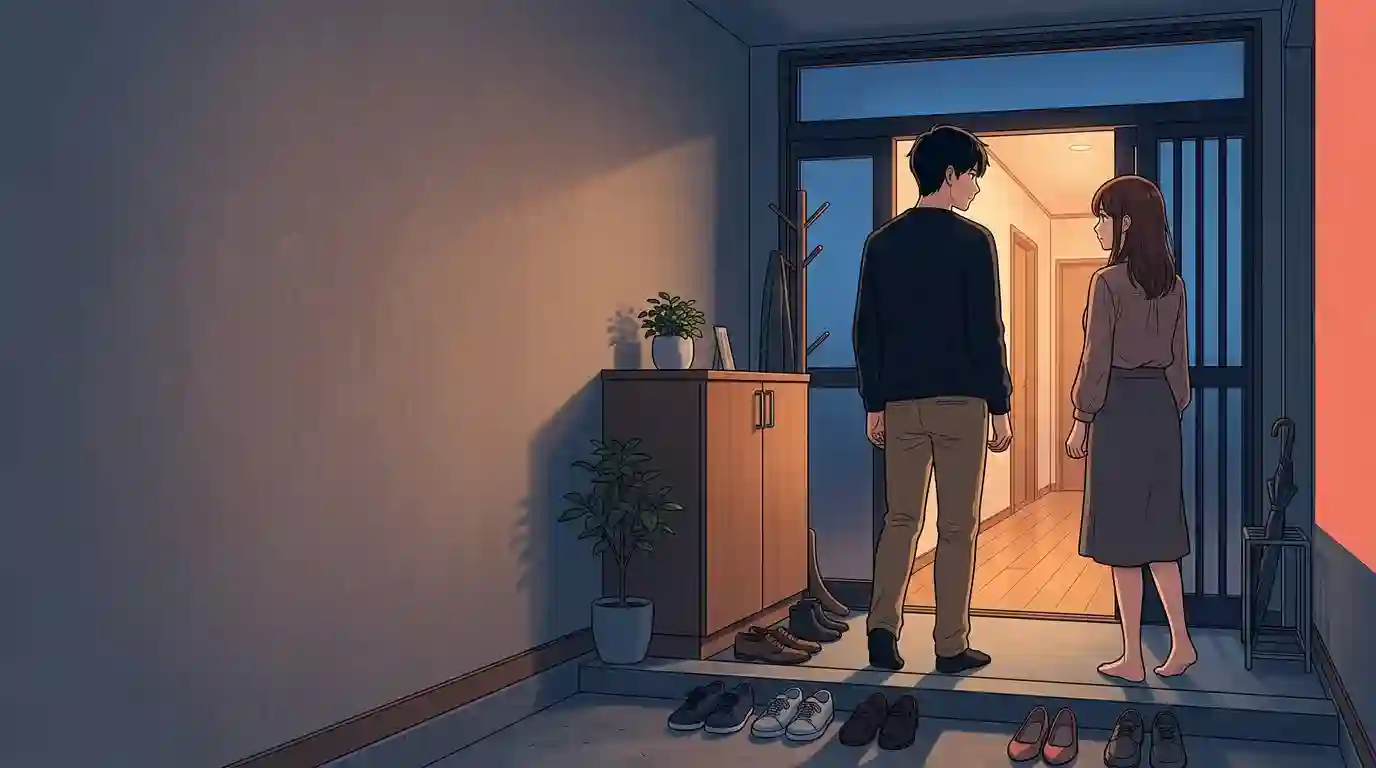
Choro Mesu Days is an adult manga and OVA built around an uncomfortable household change: Takashi must live with Alice after his father remarries. What begins as an attempt to adjust to a new family structure becomes a story about attraction, secrecy, boundaries and the consequences of treating taboo tension as romance. Its appeal comes from a direct premise, a small cast and a fast move from domestic awkwardness to adult drama.
Readers searching for Choro Mesu Days usually want practical answers first. Is it a manga or an anime? Who are Takashi and Alice? How many episodes exist? Is it suitable for general anime audiences? This guide answers those questions without exaggerating what is known or turning explicit scenes into search bait.
What is Choro Mesu Days?
Choro Mesu Days is the title of an adult Japanese manga by Esuke Toono and its OVA adaptation. The manga was published in 2025 by Bunendo under the BAVEL COMICS label. The animated version is associated with Mary Jane and New Generation, and available listings describe it as a short OVA adaptation rather than a long television series.
The title sits in the adult manga and adult animation market. That label matters because the work is not a standard school romance, family comedy or general-audience anime. Viewers should expect sexual content, nudity and a premise involving a stepsibling relationship. Anyone looking for a conventional romance series should choose another title.
The story’s central question is not whether the arrangement is ordinary. It is whether two people living under one roof can separate family roles, attraction and personal responsibility. The answer is presented through adult fantasy conventions rather than through a realistic guide to healthy relationships.
Choro Mesu Days story and premise
After his father remarries, Takashi begins living with Alice, his new stepsister. Alice is presented as attractive, polite and unfamiliar with the emotional tension that develops in the house. Takashi tries to act like a responsible older brother, but his attraction repeatedly interferes with that role.
The first part of the setup depends on forced proximity. Shared rooms, ordinary household routines and accidental encounters create repeated opportunities for embarrassment. Instead of building a wide fictional world, the narrative keeps attention on the home and on the changing way Takashi and Alice interpret one another.
That narrow structure gives the title a quick pace. It also creates its main weakness: the taboo premise can overshadow character development. A careful reader should treat the plot as adult fantasy and judge its emotional logic separately from real-life ethics, consent and family boundaries.
Is the story a romance?
It uses romance language and romantic tension, but it is more accurate to call it an adult erotic drama with a taboo relationship premise. The work prioritizes attraction and sexual escalation over the gradual emotional development expected from a conventional romance manga.
That distinction helps set expectations. If you want slow-burn affection, detailed supporting characters and a carefully resolved family conflict, this title may feel slight. If you want a compact adult story that establishes its premise quickly, its structure is easier to understand.
Who are the main characters?
Takashi
Takashi is the viewpoint character. His main conflict comes from the gap between the role he believes he should perform and the attraction he struggles to manage. He wants to appear dependable after the remarriage, yet the story continually places him in situations that test his self-control.
The character works best as a flawed narrator rather than as a role model. His reactions move the plot, but the reader should not confuse his desire with proof that the situation is safe, wise or emotionally healthy.
Alice
Alice is Takashi’s new stepsister and the second central figure. The premise presents her as kind, attractive and still adjusting to the household. Her position is important because she is not only a romantic interest; she is also a person entering a family arrangement she did not create.
A useful reading of Alice focuses on agency. Adult fiction can use a fantasy setup, but meaningful character writing still benefits from clear choices, communication and consequences. Those questions are more useful than reducing her to an appearance-based description.
Takashi’s father and the new household
The remarriage creates the conditions for the plot, even though the parent figures are not the emotional center. Their absence from many key moments helps the title maintain a private, enclosed atmosphere. It also raises a serious narrative question: what happens when adults create a new family structure without recognizing how complicated the adjustment may become?
The home operates in a manner akin to a pressure chamber. Its limited space removes distractions and keeps every interaction close to the central conflict.
Manga and OVA: what is the difference?
The manga is the original work by Esuke Toono. Published information identifies a 2025 BAVEL COMICS release from Bunendo, with bibliographic listings describing a single collected volume. The OVA adapts the premise into short animated installments, so it has less room for internal monologue, side material and gradual transitions.
This difference affects the experience. Manga readers can control the pace and spend more time with page composition, expressions and implied pauses. An OVA creates rhythm through voice acting, editing, movement and sound, but a short runtime may make the plot feel more compressed.
| Version | Format | Best for | What to expect |
|---|---|---|---|
| Original manga | Adult collected comic | Readers who want the source work | More control over reading speed and page detail |
| OVA adaptation | Short adult animation | Viewers who prefer voice, movement and sound | A compressed version of the core premise |
| Search listings | Catalog information | Checking identity and release data | Useful for verification, not a substitute for the work |
The manga and OVA should not be treated as interchangeable editions. An adaptation can preserve the premise while changing emphasis, pacing or scene order. Check the edition description before buying so you know whether you are choosing print, digital manga or animation.
Choro Mesu Days release and publication details
The manga was released in 2025 under Bunendo’s BAVEL COMICS imprint. Google Books’ bibliographic record lists a 2025 Bunendo publication credited to Esuke Toono and identifies a 196-page book with ISBN 9784861174674. Retail information also lists a January 31, 2025 release for the collected comic.
The animated adaptation began appearing in 2025 as an OVA. Catalog records describe two short episodes, while some listings may show incomplete or changing status fields. Because adult-video release information can vary by storefront and region, a retailer’s current product page is the safest place to confirm availability, format and age restrictions.
Release records are not the same as a promise of worldwide streaming. A Japanese home-video release may not receive an official subscription license in every country. Readers should check local legal services rather than relying on unofficial mirrors, reposts or download pages.
What themes does the title explore?
Forced proximity
The household is the story’s main engine. Takashi and Alice cannot simply leave after an awkward encounter, so small moments accumulate. Meals, bathing routines, greetings and privacy become loaded with meaning because each ordinary action can expose the conflict beneath it.
Role confusion
The title repeatedly places family language beside erotic framing. That collision creates its shock value, but it also deserves scrutiny. A person can occupy a legal or social family role while not sharing a biological relationship; that does not make every relationship uncomplicated or free from power concerns.
Secrecy and consequences
Secret attraction can produce suspense, yet secrecy also limits honest communication. The best way to discuss this theme is to ask what the characters risk losing: trust, household stability, privacy or their ability to return to a normal family relationship.
Adult fantasy versus real life
Fiction can explore taboo ideas without giving instructions for living. The title belongs in that category. Its situations are designed for adult fantasy, not for normalizing hidden sexual relationships inside families or suggesting that desire cancels responsibility.
Why do people search for Choro Mesu Days?
Search interest tends to come from several groups. Some readers saw the manga title and want to know whether an animation exists. Others see a short OVA listing and want a plot summary, character names or episode information. A third group wants to confirm the genre before opening a product page.
The exact title also creates confusion because databases may transliterate the Japanese name differently. Users can find variations in capitalization, spacing and episode labels. Searching the Japanese title, the author name or the publisher can help confirm that different pages refer to the same work.
A reliable search process is simple:
- Confirm the Japanese title or author credit.
- Check whether the page describes manga or OVA.
- Verify the publisher, imprint and release date.
- Read the age classification before opening the product.
- Use an official retailer or licensed service where one exists.
This process reduces the risk of landing on copied summaries, misleading episode pages or illegal uploads that may contain malware.
Is Choro Mesu Days worth reading or watching?
The answer depends on what you want from an adult title. It may suit readers who prefer a short, direct premise, a limited cast and a domestic setting. Its compact design makes the central conflict easy to follow, and the adaptation offers a way to experience the material through performance rather than still artwork.
It may disappoint readers who expect psychological realism. The premise is intentionally provocative, and the plot can move quickly from awkward setup to erotic conflict. Supporting characters and broader consequences receive less attention than they would in a mainstream family drama.
A fair evaluation should separate craft from personal taste. The title can be competently structured for its niche while still being unsuitable for a particular reader. Before spending money, check the official sample, rating, edition details and content information.
How to read or watch it legally
Start with the publisher or an authorized retailer. For the manga, look for the Bunendo or BAVEL COMICS listing, the author credit and the correct ISBN. For the OVA, verify the production credit, episode number, disc or digital format and age gate.
Avoid pirate streaming pages and unauthorized download links. They remove income from the creators and can expose visitors to deceptive ads, malware and stolen payment forms. Adult works also deserve careful privacy protection, so use reputable checkout systems and review the service’s data policy.
Availability may differ in Pakistan, Japan, North America and Europe. If no legal local option appears, do not assume a random “watch free” page is authorized. Waiting for a licensed release is safer than trading security and creator support for an uncertain copy.
How the title fits its genre
Within adult manga and OVA catalogs, the work uses familiar conventions: a quick domestic setup, a visually emphasized heroine, a male point of view and a relationship that crosses a social boundary. Those conventions explain the title’s discoverability, but they do not make it unique in every artistic respect.
Its more specific identity comes from the combination of a remarried-parent household, European-coded character presentation and a short adaptation format. That combination creates a clear marketing hook. It also means the work attracts readers for the premise before they know whether its character writing matches their expectations.
Genre labels should be treated as practical filters. “Adult,” “OVA,” “manga,” “taboo romance” and “erotic drama” tell you more about the intended audience and structure than a five-star rating from an unknown database.
A spoiler-light reading approach
Read the opening as a setup rather than as evidence that the central relationship is healthy. Notice how the household changes, who has information and who has privacy. Those details show what the story is asking the audience to accept.
Next, track the difference between what Takashi thinks, what Alice says and what the surrounding adults know. That gap creates much of the tension. It also gives readers a way to assess agency instead of merely following the strongest visual or erotic cue.
Finally, ask whether the resolution addresses the emotional cost of the relationship. If it does not, that absence is part of the work’s design. You can enjoy the title’s fictional premise while still identifying where it simplifies real-world concerns.
What readers should verify before publishing a review
A trustworthy review should distinguish confirmed publication facts from interpretation. Confirm the author, imprint, format and release date from a catalog or retailer, then label plot details as a spoiler-light summary. Do not present a database rating as an objective measure of quality, and do not claim that a release is available in every country when the seller only ships to one market.
The same care applies to screenshots, promotional images and quotations. Use only material you have permission to publish, keep quotations brief and link to the legitimate product page. Adult titles need extra care because copied images and unlicensed clips often circulate beside misleading claims. A clean article should help readers make an informed choice without becoming a directory for piracy.
For search users, answer the basic question near the top: this is an adult manga and OVA, not a family-friendly series. Then add context that a thin catalog entry cannot provide, such as how the formats differ, why the premise may be divisive and what a reader can verify before purchase. That combination is more useful than repeating a one-line synopsis across several headings.
Creators can also improve the page with visible editorial details. Add the writer’s name, a last-checked date, a correction route and a clear source list. If a release status changes, update the relevant paragraph instead of silently leaving an outdated claim in place. Readers notice when a page respects their time and treats uncertainty honestly.
Frequently asked questions
Is Choro Mesu Days an anime or a manga?
Both. It began as an adult manga by Esuke Toono and received a short OVA adaptation associated with Mary Jane and New Generation.
How many OVA episodes are there?
Catalog listings identify two short OVA episodes. Check the official retailer or current publisher-linked listing for the latest regional release information.
Who are the main characters?
The central characters are Takashi and Alice. Takashi is adjusting to his father’s remarriage, while Alice is his new stepsister and part of the new household.
Is Choro Mesu Days suitable for teenagers?
No. It is marketed as adult material and includes sexual content, nudity and a taboo stepsibling premise. It should be kept behind an age gate and away from minors.
Where can I buy or watch it legally?
Look for the Bunendo or BAVEL COMICS manga listing and authorized adult-video retailers for the OVA. Availability depends on your country, so confirm the seller, rating and format before paying.
Is the story realistic?
No. It is an adult fantasy built around an intentionally provocative setup. Readers should not use its fictional treatment of attraction and family roles as advice for real relationships.