Sister-in-Law of the Heroine in a Childcare Novel: Complete Reader’s Guide
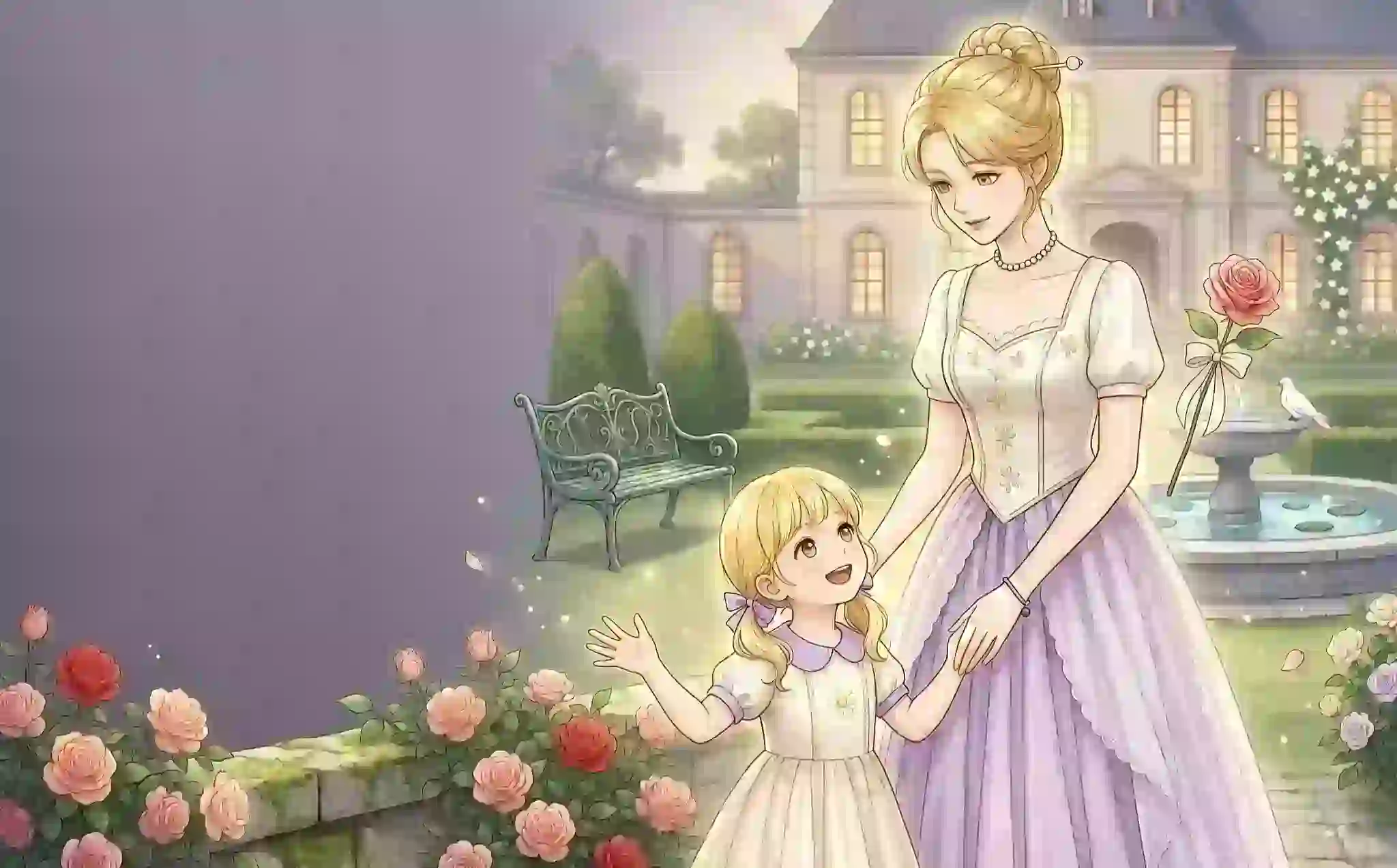
A dangerous future, a child who needs protection, and a heroine desperate to escape a role written for her: that is the pressure at the center of Sister-in-Law of the Heroine in a Childcare Novel. Readers can feel lost when several English titles, incomplete updates, and plot-heavy summaries compete for attention. This guide clears up the title, introduces the key relationships, and explains what makes the series worth following without spoiling the surprises that give it heart.
Quick Answer: What Is Sister-in-Law of the Heroine in a Childcare Novel?
Sister-in-Law of the Heroine in a Childcare Novel is a Korean romance-fantasy story about a woman reborn into a childcare-focused novel as Titania, a minor villainess whose original fate ends in disaster. She knows that her past self harmed the young heroine, so she chooses a different path: protect the child, step away from a doomed engagement, and build a life that is truly her own.
The premise blends reincarnation, aristocratic conflict, found-family warmth, and romance. It does not treat childcare as background decoration. The child at the center of the story changes the emotional stakes, pushes adults to reveal who they are, and turns a familiar villainess setup into a story about repair.
At a Glance: The Essential Details
| Detail | Reader-friendly answer |
|---|---|
| Official Korean title | 육아물 여주인공의 새언니 |
| Common English title | Sister-in-Law of the Heroine in a Childcare Novel |
| Main character | Titania, often called Tia |
| Central child heroine | Bibi, the young female lead of the original story |
| Story setup | A reborn villainess tries to avoid the future where she hurts Bibi |
| Core genres | Romance fantasy, drama, fantasy, family story, reincarnation |
| Original format | Korean web novel, later adapted as a webtoon |
| Original novel author | Geumnunsae |
| Webtoon credits shown on the official platform | Tae Jiwon, Beomram, and Geumnunsae |
| Best fit for | Readers who enjoy villainess redemption, child-centered fantasy, and slow-building relationship change |
| Spoiler-safe starting point | Read the official first episode or first novel chapter before character guides and fan discussion |
This table answers the fast questions behind searches for the Sister In Law Of The Heroine In A Childcare story. Names can appear differently across translations, so checking the Korean title alongside the English title helps readers confirm they have found the same work.
Why the Title Creates So Much Confusion
The English wording changes from site to site. You may see “The Heroine’s Sister-in-Law in a Childcare Story,” “Step Sister-in-Law of the Female Lead,” or “New Child Care Sister of the Heroine.” These names point to the same Korean property, but they do not always describe the relationship with equal care.
The most useful search phrase is Sister-in-Law of the Heroine in a Childcare Novel because it closely reflects the commonly circulated English title. For accuracy, pair it with the Korean title, 육아물 여주인공의 새언니, when looking for official information or comparing editions.
The word “sister-in-law” signals more than romance. Titania’s prospective tie to Bibi’s family brings duty, power, money, fear, and tenderness into the same room. That future family position gives every choice extra weight.
The Premise Without Major Spoilers
At the start of the story, Titania carries knowledge of a grim scripted future. In that version of events, she fixates on Bibi’s older brother, attacks Bibi, and pays for it with her life. Her second chance does not erase the harm connected to that future; it gives her a chance to refuse it.
Titania decides that leaving is safer than clinging to a family that will never trust her. Yet she acts when Bibi needs help. That act breaks the expected plot. People who once treated Titania as an enemy begin to watch her differently, while political forces still have reasons to keep the original conflict alive.
This setup keeps the story moving on two tracks. One track asks whether Tia can survive a hostile royal environment. The other asks whether care can grow after fear, neglect, and betrayal have already shaped everyone involved.
Who Is Titania? The Woman Behind the Villainess Label
Titania is not written as a flat “bad girl turned nice.” Her fear makes sense because she has lived inside a system where affection comes with conditions. Her former role, her royal status, and her engagement all make her vulnerable to people who treat her as a political tool.
In this series, Tia’s strongest trait is not flawless kindness. It is her decision to stop repeating cruelty even when escape looks easier. She learns how to accept help, sets boundaries, and makes choices based on Bibi’s safety instead of her own panic.
That approach gives the redemption arc real shape. A meaningful redemption story does not ask readers to forget the damage. It asks whether the character faces the damage, changes their behavior, and protects the person they once endangered. Titania’s journey works because the story keeps those questions close.
Who Is Bibi and Why Does Childcare Matter?
Bibi is the young heroine of the original in-world novel. She is not merely a cute mascot placed beside the adult cast. Her wellbeing drives the plot, and her view of Titania changes the direction of a family that assumed it understood the truth.
The childcare element gives the story a distinct emotional rhythm. Everyday moments—comforting a child, earning a child’s trust, or making a safe home—stand beside threats from nobles and court politics. The contrast makes danger feel more personal.
Bibi also has agency. She responds to the adults around her, forms preferences, and makes clear choices about whom she trusts. Readers who like child characters with a real presence, rather than a passive plot device, will find an important reason to keep reading.
The Family Dynamics That Power the Story
The series builds tension through relationships, not only through magic or status. The ducal family has wealth and influence, while the imperial family carries its own agendas. Titania stands between these groups with an engagement that looks practical on paper but painful in real life.
The brothers, the fiancé, and the wider household react to Titania’s change in different ways. Suspicion does not vanish overnight, which makes the shifts feel earned. Care arrives through small choices: listening, protecting, offering space, and seeing someone as more than their reputation.
That is why the Sister In Law Of The Heroine In A Childcare premise appeals to readers who enjoy complicated family fiction. The future in-law relationship becomes a lens for trust. Rather than giving every character the same reaction, the story lets each bond develop at its own pace.
Romance, Engagement, and Emotional Stakes
The romance grows inside an arranged-engagement framework. This creates built-in pressure. A formal promise can put two people in the same orbit, but it cannot create safety or affection by itself.
Tia’s central emotional task is to stop measuring her worth through one person’s attention. That choice keeps the romance from becoming a simple pursuit story. When connection begins to change, it matters because she first chooses dignity and independence.
Readers should expect romantic tension, guarded emotions, and relationship progress shaped by family concerns. If you enjoy a heroine who resists being reduced to a title, a fiancé, or a tragic backstory, this series gives that conflict real space.
Fantasy, Politics, and the Threat Beyond the Nursery
The word “childcare” can make new readers expect a gentle domestic story only. The series has warm family scenes, but it also uses the machinery of romance fantasy: royal politics, noble houses, power struggles, social reputation, and a future that may not remain fixed.
In this romance fantasy, those larger stakes matter because adults’ rivalries can reach children first. Titania has to read danger carefully, not just protect her own future. Her decisions become more difficult when every family gesture may also carry political meaning.
This balance gives the story variety. A chapter can move from a tender household moment to a sharp exchange about power without feeling like two separate series. The home becomes worth protecting precisely because the outside world is unstable.
Major Themes Readers Can Expect
The story has a clear plot hook, but its themes create the staying power. Here are the ideas that keep appearing beneath the romance-fantasy surface:
- Redemption through action: Titania changes what she does, not only what she says.
- Chosen safety: A home should protect its members rather than trap them.
- Childhood as a serious concern: Bibi’s feelings and safety have consequences.
- Family after harm: Trust can grow, but it needs time and proof.
- The cost of neglect: Adults’ failures shape children long after a scene ends.
- Agency against a written fate: Knowing the old story does not remove the need to make brave choices.
- Power and vulnerability: Royal titles cannot shield someone from loneliness or manipulation.
- Love without possession: Healthy affection respects a person’s choices and limits.
These themes help explain why the series reaches beyond the usual “I woke up as a villainess” formula. The narrative asks what happens after a character decides to survive. It then makes her earn a different future day by day.
What Makes the Series Different From Similar Villainess Stories?
Reincarnation romance fantasy often begins with a woman trying to escape a death flag. This series shares that foundation, but it places a child at the moral center of the conflict. Titania’s choices carry immediate meaning because another person’s safety depends on them.
The story also focuses on the gap between public identity and private pain. People see a difficult princess, an advantageous engagement, or a dangerous family. Readers see the fear beneath those labels. That difference invites readers to question quick judgments without excusing real harm.
Another strength is the push and pull between departure and belonging. Titania wants a quiet life away from the people tied to her worst future. Yet she cannot ignore Bibi. The Sister In Law Of The Heroine In A Childcare conflict becomes compelling because leaving and staying can both be acts of love, depending on the moment.
A Spoiler-Safe Character Relationship Map
This simple map shows the main story roles without revealing late twists.
| Character or group | Connection to Titania | Why the relationship matters |
|---|---|---|
| Titania (Tia) | Reborn protagonist | She works to break from a villainess future and claim a safe life. |
| Bibi | Young heroine of the in-world childcare novel | Her safety and trust test whether Titania’s change is real. |
| Bibi’s eldest brother | Titania’s planned marital connection | The original fixation and future engagement create romantic and family pressure. |
| Bibi’s second brother | Protective family member | His suspicion and loyalty raise the emotional temperature around Tia. |
| The ducal household | Bibi’s powerful family | It can offer belonging, but it can also feel dangerous to someone with a dark reputation. |
| The imperial household | Titania’s royal environment | Its interests add political pressure to deeply personal decisions. |
Use this map before browsing discussion posts. Fan conversations often jump far ahead, especially when they compare the novel and webtoon. Starting with these roles lets you understand the basic stakes without losing the pleasure of discovery.
Is the Novel Finished? What About the Webtoon?
Official publishing listings identify the work as a Korean web novel by Geumnunsae. An official novel listing records 301 episodes and marks the novel as complete. The webtoon adaptation is published separately, so its episode count and release schedule can differ from the novel.
For readers who are following the plot, that distinction is important. A completed source novel can offer a full story, while an adaptation may still be unfolding. Do not assume a webtoon chapter count represents the total novel plot or that an adaptation has covered every novel event.
If you plan to follow releases, check the official Korean series page for the current status. Platform availability, translations, pricing, and update schedules can change by country. This guide does not recommend unofficial copies or reposts.
Best Reading Order for New Readers
A clean reading order prevents accidental spoilers and lets the emotional arcs land as intended.
- Start with the official webtoon episode one if you want color art, visual expressions, and a quick entry point.
- Choose the original web novel if you prefer deeper internal narration and a completed main reading experience.
- Use the other format after you are invested. Comparing an adaptation with the source can be fun, but begin with one format so character introductions stay clear.
- Avoid chapter comments at first. Readers often reveal relationship developments, identity details, and endings without warning.
- Search by Korean title when needed. It helps distinguish official listings from mislabeled pages.
For a reader who wants the core premise in one sentence, Sister-in-Law of the Heroine in a Childcare Novel follows a former villainess who protects the child she was once meant to harm and, in doing so, changes the future around them both.
How to Find Official Information Without Getting Misled
Use a simple verification routine before you spend money or share a recommendation:
- Match the Korean title: 육아물 여주인공의 새언니.
- Confirm the credited names: Geumnunsae for the original novel; Tae Jiwon and Beomram appear with Geumnunsae on the official webtoon listing.
- Check whether the page identifies a novel or a webtoon. They are related formats, not interchangeable labels.
- Look for platform-owned publication details rather than copied descriptions.
- Treat chapter totals on fan indexes as temporary, especially for an ongoing adaptation.
This approach helps readers looking for Sister-in-Law of the Heroine in a Childcare Novel avoid a common problem: choosing a page with the right English words but incorrect credits, format, or update status. Accurate entity details—the Korean title, author, artist, platform, format, and character names—create a far more reliable trail than an English title alone.
Who Will Enjoy This Story?
This series is a strong match if you like:
- Romance fantasy with a vulnerable but determined female lead
- Reincarnation or transmigration plots that focus on consequences
- Villainess redemption stories with emotional accountability
- Child-focused fantasy where the young character has influence
- Arranged-engagement tension and guarded romance
- Noble-family drama, royal politics, and a protective household
- Stories about healing from neglect and building trust slowly
It may not be the best fit if you only want fast action with little relationship development. The story earns key changes through conversation, protection, doubt, and repeated contact. Readers who value emotional progression will likely enjoy that pace.
Content Notes for a Better Reading Choice
A good recommendation respects a reader’s boundaries. The early premise involves a child placed in danger in the original timeline, along with family neglect, manipulation, social hostility, and emotional distress. The story treats these issues as serious sources of conflict rather than easy jokes.
The tone also includes possessive or intensely protective reactions from members of the cast. Readers who prefer clear consent, balanced relationship growth, and a heroine with increasing independence may want to take note of how those dynamics develop in the format they choose.
These content notes do not spoil later events. They simply help readers decide whether Sister-in-Law of the Heroine in a Childcare Novel suits their current mood and preferences.
Why the Childcare Setting Changes the Stakes
A childcare novel has a different emotional contract from a standard court-romance fantasy. Children need adults to make safe decisions before danger arrives. In this story, Bibi’s presence makes delayed honesty, careless jealousy, and political games more costly.
Titania cannot claim she has changed only by saying the right words. She has to show care in ordinary moments and hard moments. She must choose patience when she is frightened and protection when leaving would be easier. That is why the Sister In Law Of The Heroine In A Childcare query leads to more than a title lookup: readers are searching for a story where care itself redirects the plot.
The setting also reveals character. An adult’s treatment of Bibi tells readers whether their kindness is real, selfish, performative, or still growing. This gives even quiet scenes a purpose.
The Difference Between a Villainess Arc and a Redemption Arc
Not every villainess story gives its lead a redemption arc. A villainess arc may simply make a feared woman stylish, powerful, or romantically desired. A redemption arc requires a harder standard: the character confronts the damage tied to her role and acts differently when it costs her something.
This romance fantasy leans into that harder standard. Titania’s goal is not to win attention from Bibi’s family. She wants to avoid repeating the violence and desperation that defined her old fate. The story’s warmth works because it grows out of that refusal.
For readers who want substance beneath the fantasy dresses and noble titles, this is a useful lens. Watch what a character protects when no one is praising them. Watch whether they respect a child’s fear. Those moments show the difference between a new outfit and a new life.
Frequently Asked Questions
Is Sister-in-Law of the Heroine in a Childcare Novel a webtoon or a novel?
Short answer: It is both, in different formats.
The original work is a Korean web novel by Geumnunsae, and it later received a Korean webtoon adaptation. The novel and webtoon can have different release status and pacing.
Who is the Sister In Law Of The Heroine In A Childcare story?
Short answer: Titania is the prospective sister-in-law figure.
She begins as a reborn minor villainess who tries to protect Bibi, the young heroine of the in-world childcare novel, rather than follow the cruel future assigned to her.
Is Sister-in-Law of the Heroine in a Childcare Novel completed?
Short answer: The original novel is listed as complete; the adaptation has its own schedule.
An official novel listing records 301 episodes. Always check the official platform for the current webtoon status because adaptations can continue after a source novel ends.
What is the Korean title of Sister-in-Law of the Heroine in a Childcare Novel?
Short answer: 육아물 여주인공의 새언니.
Using this title alongside the English name makes it easier to locate official Korean information and separate the work from similarly named romance-fantasy series.
Does Sister-in-Law of the Heroine in a Childcare Novel focus on romance?
Short answer: Yes, but romance shares the stage with family healing and political danger.
The arranged-engagement setup creates romantic tension, while Titania’s bond with Bibi and the family’s changing trust give the story much of its emotional depth.
Is Sister-in-Law of the Heroine in a Childcare Novel safe to read without spoilers?
Short answer: Yes, if you start with official episode one and avoid comments.
The basic premise is spoiler-safe, but fan reviews and chapter discussions can reveal major relationship and plot developments. Begin with one format and use official listings for current details.
Start With the Story, Not the Spoilers
Sister-in-Law of the Heroine in a Childcare Novel offers more than a dramatic title. It asks whether a person can choose care after living through neglect, whether a child can reshape a family’s future, and whether love can grow without control. Start with the official first chapter or episode, read at your own pace, and return to this guide when you need a clear, spoiler-aware reference.
If this guide helped you decide whether the series fits your reading list, share it with a fellow romance-fantasy reader and add your own spoiler-free first impression after you begin.